



There is a particular silence around women's hair.
We will tell each other about our therapists, our divorces and our salaries before we will say out loud that our part has widened. So let me start with numbers.
What is actually normal
In the best population study of its kind, the age-adjusted prevalence of female pattern hair loss was 32.2 percent. Around one in ten women had moderate to severe loss. In UK data it runs from about 6 percent under 50 to 38 percent by 70 and over.
That is only pattern loss. It does not count the temporary sheds — after a baby, after surgery, after illness, after rapid weight loss. Hair loss after bariatric surgery alone runs at 57 percent.
When I say most women deal with this at some point, I am not being generous. I am reading the research.
What the silence costs
In a survey of 216 people with hair loss, 75 percent concealed it persistently and spent an average of 10.3 hours a week doing it. Ten hours. A part-time job spent arranging hair so nobody asks.
In a separate study of 45 people: 56 percent reported insecurity or self-consciousness, 49 percent avoided anything that risked exposing their scalp, 40 percent avoided social situations, 40 percent said their work suffered, and 27 percent had people assume they had cancer.
Ten hours a week, all of us doing it separately, each convinced we are the only one.
Wearing hair is not cheating
Somewhere along the way women absorbed the idea that there is something dishonest about extensions. That the acceptable version of a hair problem is to suffer through it plainly.
I do not accept that, and neither does the evidence. In a UK study of 388 people, 46 percent said wearing hair improved their quality of life. Studies in Japan and South Korea found significant gains in competence, adaptability and self-esteem. Those are outcome measures in journals, not marketing.
Nobody thinks you are cheating for wearing glasses. You are allowed to want to recognise yourself.
Why our referral programme exists
Almost every customer I have gained came from one woman telling another. Not from an advert — from a quiet conversation between two people who trusted each other enough to say it out loud.
That conversation does something an advert cannot. It tells another woman she is not managing this alone.
- Join Ouielle Points free and earn 2 points for every $1 you spend
- Share your personal link with a friend
- She gets $5 off her first order
- You get $5 off once she orders
No cap, and nothing to post publicly. Most referrals happen in a text message, which is exactly as it should be.
If you are at the start of this
See your doctor — sudden shedding usually has a findable cause, and some are fixable.
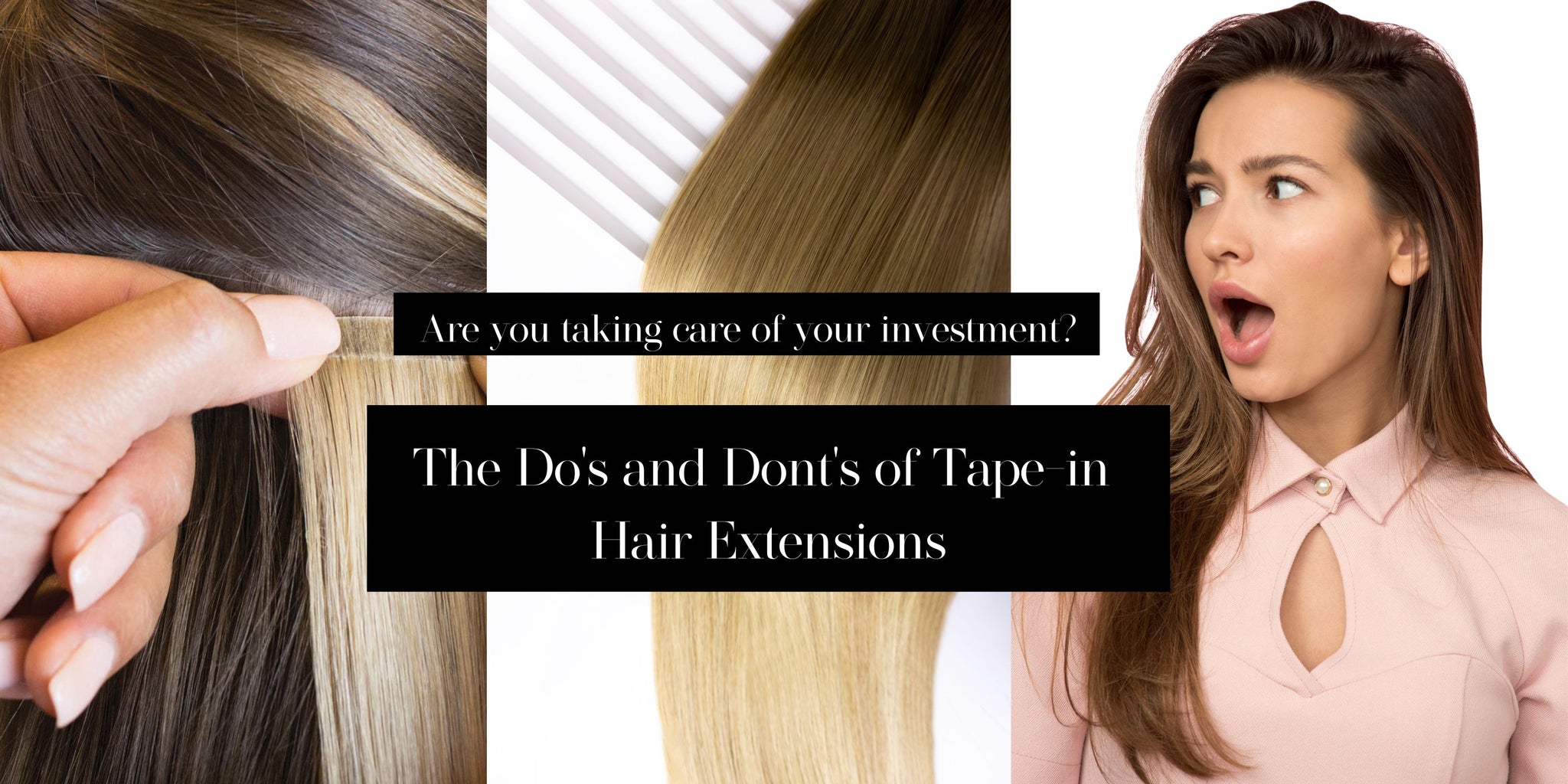
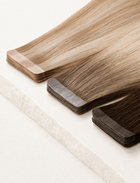
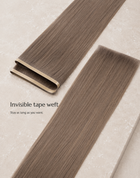
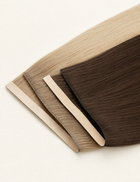
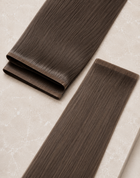
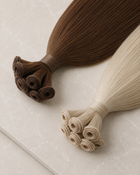
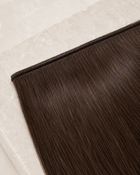
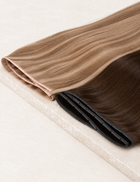
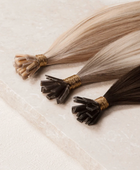
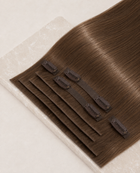
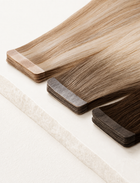
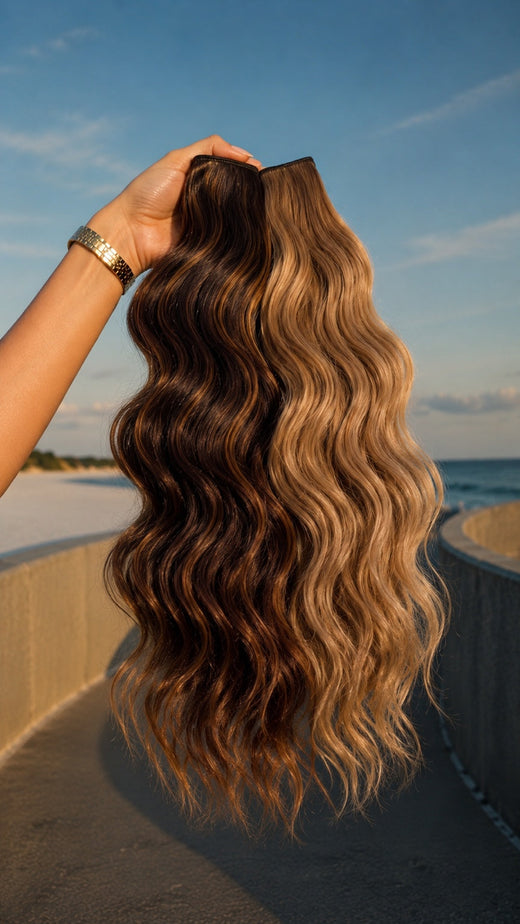
While you wait, you do not have to just endure the mirror. If your hair is fine or fragile, weight is the thing to think about: Invisible Tape-Ins sit flattest, Invisible Clip-Ins commit you to nothing. And if you already wear hair, one extra weft is usually all it takes to make it feel like yours again.
Find your shade, or send me a photo and I will match it myself.
Sources: Gan & Sinclair, J Investig Dermatol Symp Proc 2005;10(3):184-9 · Indian J Dermatol Venereol Leprol · Obesity Surgery 2021 · Cosmetics 2024;11(2):55 · Journal of Patient-Reported Outcomes 2020;4:100