



Most women learn this the hard way — three months after something big happens, standing in the shower.
The timing is what confuses everyone. The shedding almost never happens when the event happens. It happens a season later, by which point you have stopped connecting the two.
The three-month clock
At any moment about 85 to 90 percent of your hair is growing, and five to ten percent is resting. The resting phase lasts roughly three months, then the hair releases. That is why losing 50 to 100 hairs a day is normal.
The problem is not shedding. It is synchronised shedding. When a large group of follicles gets pushed into rest at once, they come out at once — about three months later.
So when you are working out what caused this, do not look at now. Look at three months ago.
What your hormones were doing for you
Oestradiol extends the growth phase. Progesterone blocks the enzyme that converts testosterone into DHT, the androgen behind pattern thinning. When both fall, you lose two protections at once.
Postpartum. Pregnancy holds hairs in growth that would normally have rested. At delivery they all transition together, and shed about three months later. It resolves in three to six months with full recovery.
Perimenopause. Oestrogen and progesterone drop quickly; androgens decline slowly. The ratio shifts even though androgens have not risen. One study of 178 postmenopausal women found 52 percent had pattern hair loss — most of it mild.
Thyroid. Real, but smaller than the internet suggests. In 1,411 patients with hair loss, only 8.5 percent had abnormal TSH. Test if you have other symptoms or a family history of autoimmune disease.
PCOS. Pattern loss affects about 28 percent of women with PCOS. But the international committee on androgen excess is explicit: thinning hair alone, with normal androgen levels, is not evidence of a hormone imbalance.
What works, and what does not
Real evidence: topical minoxidil. A Cochrane review of 47 trials and 5,290 women found regrowth roughly twice as likely as placebo.
Does not work in women: finasteride — no better than placebo across three studies.
Not supported at all: seed cycling and hormone-balancing supplements. Biotin has never been shown to help anyone who is not deficient, and it interferes with thyroid blood tests. Selenium above about 400 micrograms a day causes hair loss, and so does excess vitamin A. Several products sold for hair do the opposite in quantity.
Worth doing: get the real diagnosis. Ask about a full blood count and ferritin. Stop biotin two weeks before any test.
The gap
None of this is quick. A postpartum shed takes three to six months. Iron stores take a year or two. That gap is where most women quietly stop looking in mirrors.
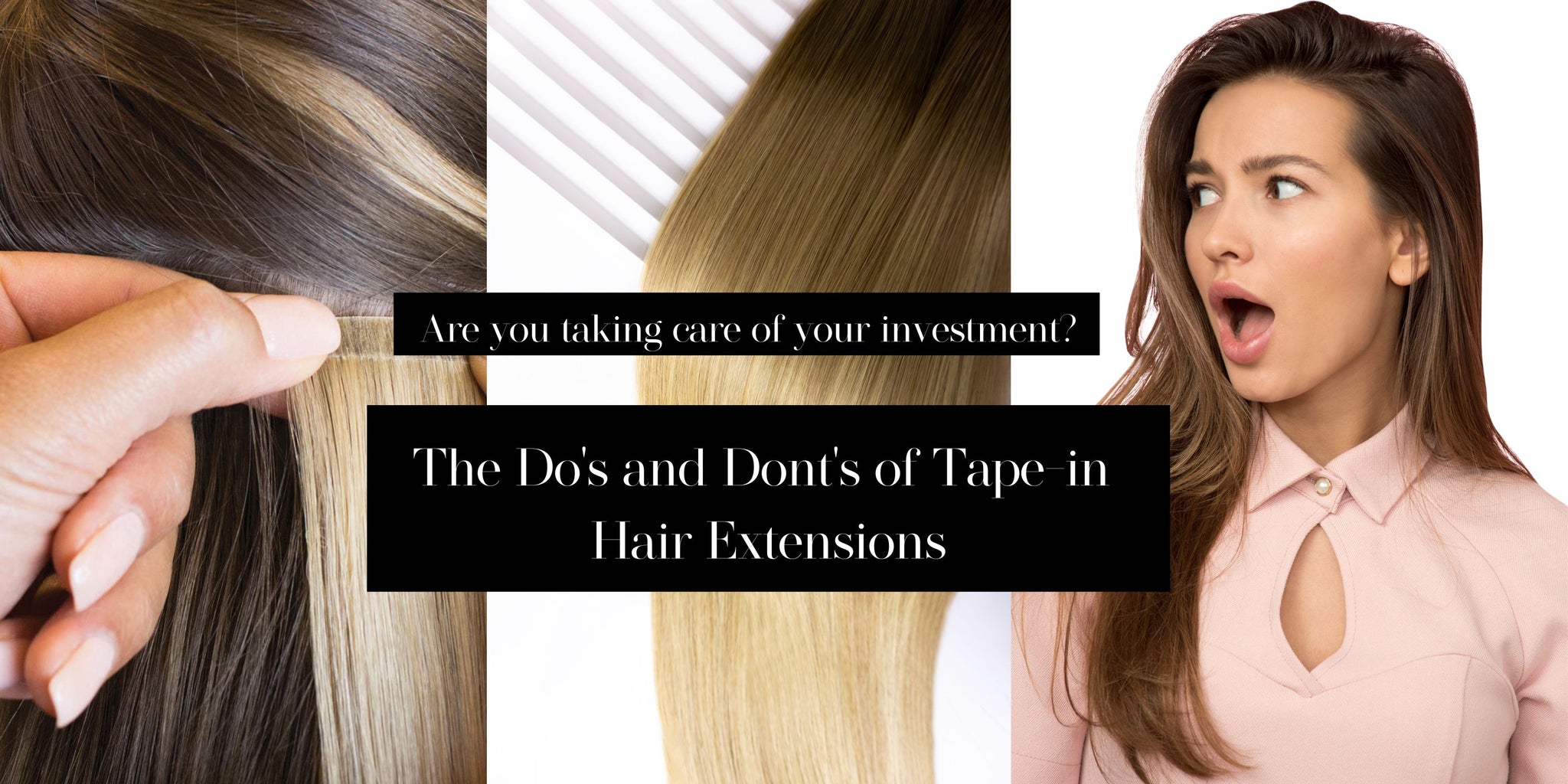
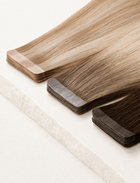
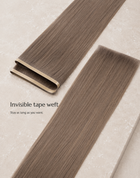
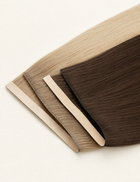
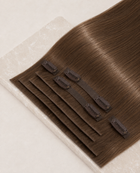
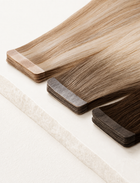
If you are in it, choose the gentlest option your hair can carry. Invisible Tape-Ins lie flattest and spread widest. Invisible Clip-Ins come out at the end of the day, which suits a phase when your density is still changing.
Take the quiz or send a photo and I will match you properly.
Published research, not medical advice.
Sources: DermNet · Cleveland Clinic · Cosmetics 2016;3(2):13 · Biomedicines 2023;11(11):3041 · Chaikittisilpa et al., Menopause 2022 · Carmina et al., J Clin Endocrinol Metab 2019;104(7) · Cochrane Database of Systematic Reviews · J Clin Aesthet Dermatol · Almohanna et al. 2019 · NHS