



Not sure whether you need a wig or extensions? You're not alone. Both are incredible tools for transforming your hair — but they serve very different purposes. Here's how to figure out which one is right for your situation.
First, Ask Yourself: What's Your Goal?
The decision between a wig and hair extensions comes down to three things: the condition of your natural hair, how long you need the solution, and the look you're trying to achieve.
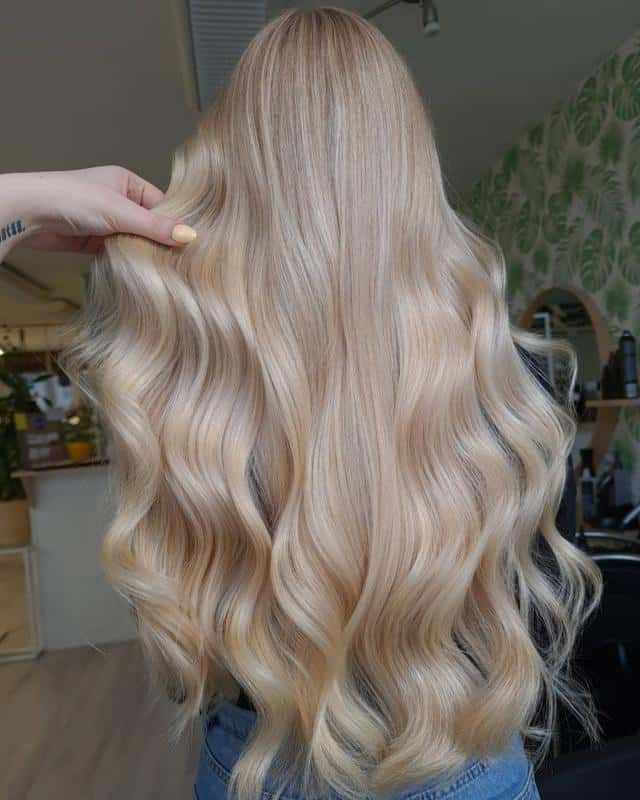
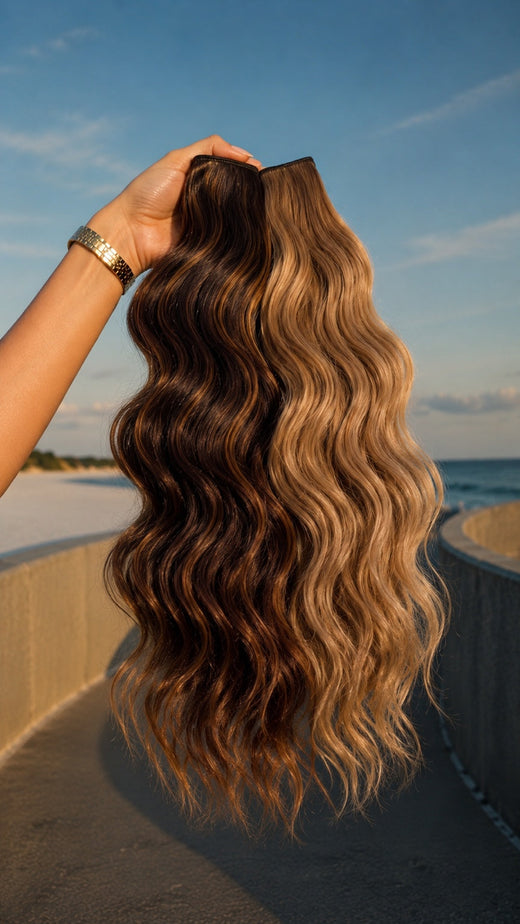
Extensions add length, volume, and dimension to existing hair. Wigs replace the appearance of your entire hairline and scalp. Both can look completely natural — but they work best in different circumstances.
When Hair Extensions Are the Right Choice
Extensions are ideal when you have a healthy scalp and sufficient natural hair to blend with and anchor the extensions. They're the go-to for:
- Adding length or volume to fine or thin hair that still has good density at the roots
- Blending seamlessly into your natural hair for an undetectable finish
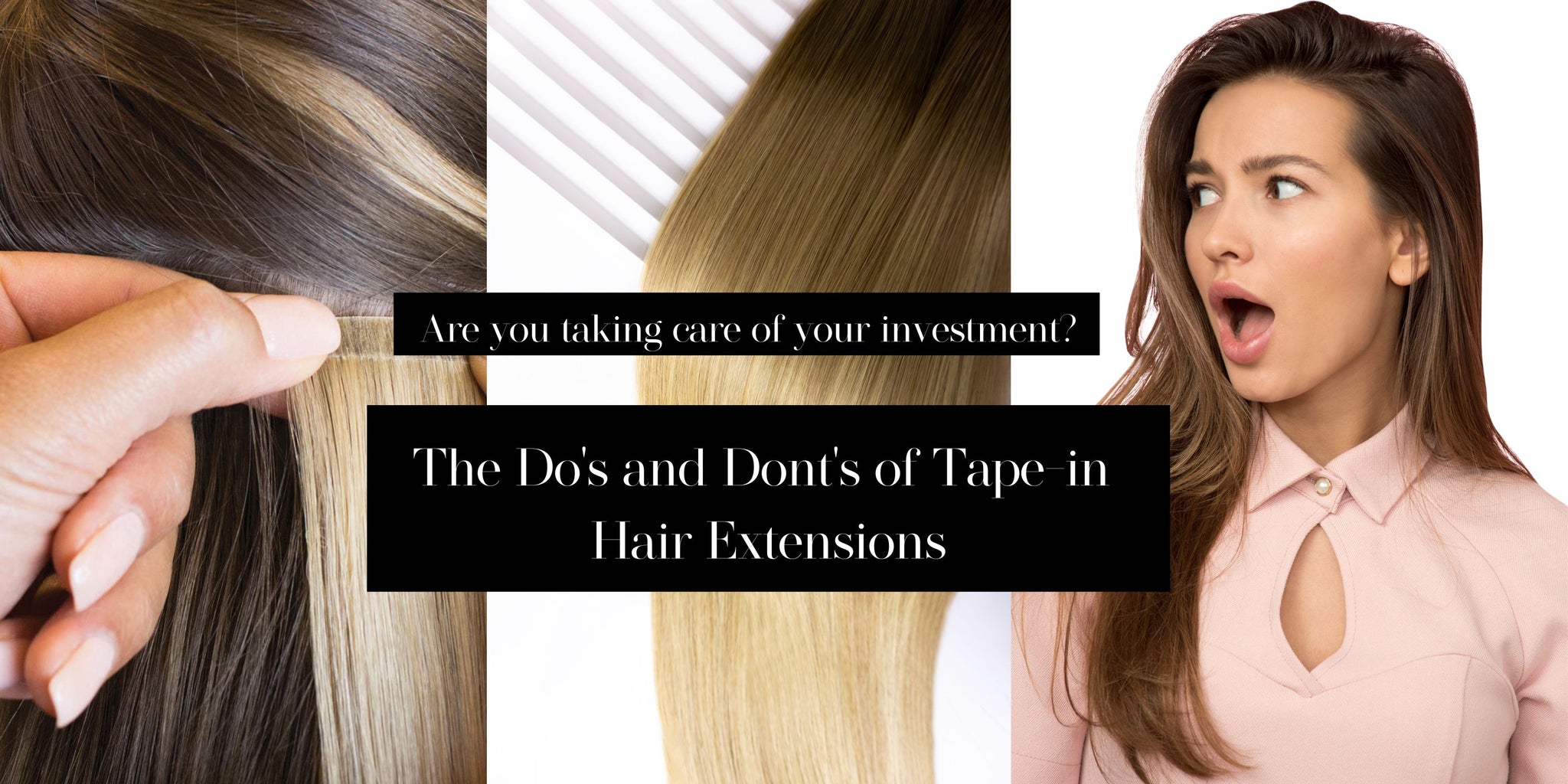
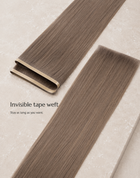
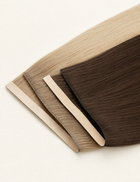
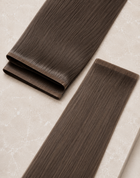
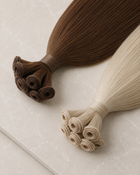
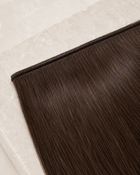
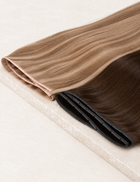
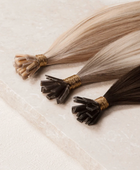
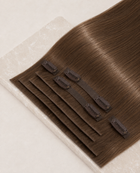
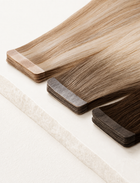
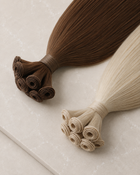
- Long-term wear — tape-in, nano-tip, and hand-tied weft extensions can last months with proper care
- Color without commitment — adding dimension, highlights, or a completely different shade without chemical processing
- Women who want to feel like their hair, just more of it
If you have hair that's at least 3–4 inches long with reasonable density at the scalp, extensions are likely your best match. The key is that your natural hair needs to be strong enough to support the attachment method.
When a Wig Is the Better Option
Wigs are the smarter, more protective choice in several specific situations:
1. Top-of-Head or Crown Hair Loss
If you're experiencing thinning or loss concentrated at the crown, part line, or top of the scalp — whether from alopecia, hormonal changes, postpartum shedding, or other causes — extensions won't provide adequate coverage in those areas. A wig gives you full, seamless coverage across the entire scalp, including the hairline and part, without putting any tension on fragile or thinning areas.
2. Health-Related Hair Loss
For women going through chemotherapy, radiation, or other medical treatments that cause significant hair loss, a wig is the most practical and comfortable solution. Modern wigs — especially those made with 100% human Remy hair — are lightweight, breathable, and virtually indistinguishable from natural hair. They allow you to maintain your appearance and confidence throughout treatment without any attachment to your natural hair.
3. Protective Styling & Hair Recovery
If your hair has been damaged by heat, chemicals, or over-processing, or if you're in a growth phase and want to protect your strands while they recover, a wig is one of the best protective styling tools available. Wearing a wig allows your natural hair to rest completely — no tension, no heat, no manipulation — while you still look polished every day. This is especially popular for women transitioning from relaxed to natural hair, or those recovering from breakage.
4. Temporary or Flexible Wear
If you want the freedom to change your look frequently — different lengths, colors, or textures — without any commitment, wigs offer unmatched versatility. You can go from a sleek bob to long waves in minutes, and remove everything at the end of the day.
A Quick Side-by-Side Guide
| Hair Extensions | Wig | |
|---|---|---|
| Best for | Adding length & volume | Full coverage & protection |
| Natural hair needed | Yes — 3"+ with good density | Minimal to none |
| Hair loss at crown/top | Not recommended | ✓ Ideal |
| Health-related hair loss | Not recommended | ✓ Ideal |
| Protective styling | Partial | ✓ Full protection |
| Wear duration | Semi-permanent (weeks–months) | Daily on/off or semi-permanent |
| Styling flexibility | Moderate | High |
| Maintenance | Regular salon visits | At-home care |
Can You Use Both?
Absolutely. Many women use extensions as their everyday solution and keep a wig on hand for high-protection periods — like during a scalp treatment, a growth phase, or simply when they want a completely different look. They're not mutually exclusive.
The Bottom Line
Choose extensions if your natural hair is healthy, you have good density at the roots, and you want a seamless, semi-permanent length and volume boost.
Choose a wig if you're experiencing hair loss at the crown or top of the scalp, going through a health journey that affects your hair, using protective styling to recover from damage, or simply want the freedom to change your look without commitment.
Both options, when made with high-quality 100% human Remy hair, can look and feel completely natural — the difference is in finding the right tool for your hair story.